
Warframe’s Switch Launch Was a Turning Point I Still Appreciate in 2026
I still remember the TennoCon announcement that Panic Button, the studio best known for its Switch ports of Wolfenstein and Doom, would bring its porting expertise to Warframe. The news felt like a signal that the free third-person action title first launched in 2013 was about to become a true handheld experience. When the November 20 release date was confirmed, I immediately saw the logic: Nintendo’s hybrid console was about to enter the holiday season, and a free-to-play loot-driven shooter with years of content was a smart counterweight to the season’s bigger boxed releases. As a player, I was less interested in corporate strategy than in one simple question: could Warframe feel right on a small screen?
A holiday window that made sense 📅
The timing was sharp. Releasing before the holidays gave the Switch version room to breathe, even if it had to share attention with Pokemon: Let’s Go, Pikachu! and Pokemon: Let’s Go, Eevee! Those games targeted a very different audience. One was a nostalgic creature-catching celebration; the other was a dense, systems-heavy action game about space ninjas, mods, and endless grinding. I liked that contrast. It made the Switch library feel broader, not more crowded.
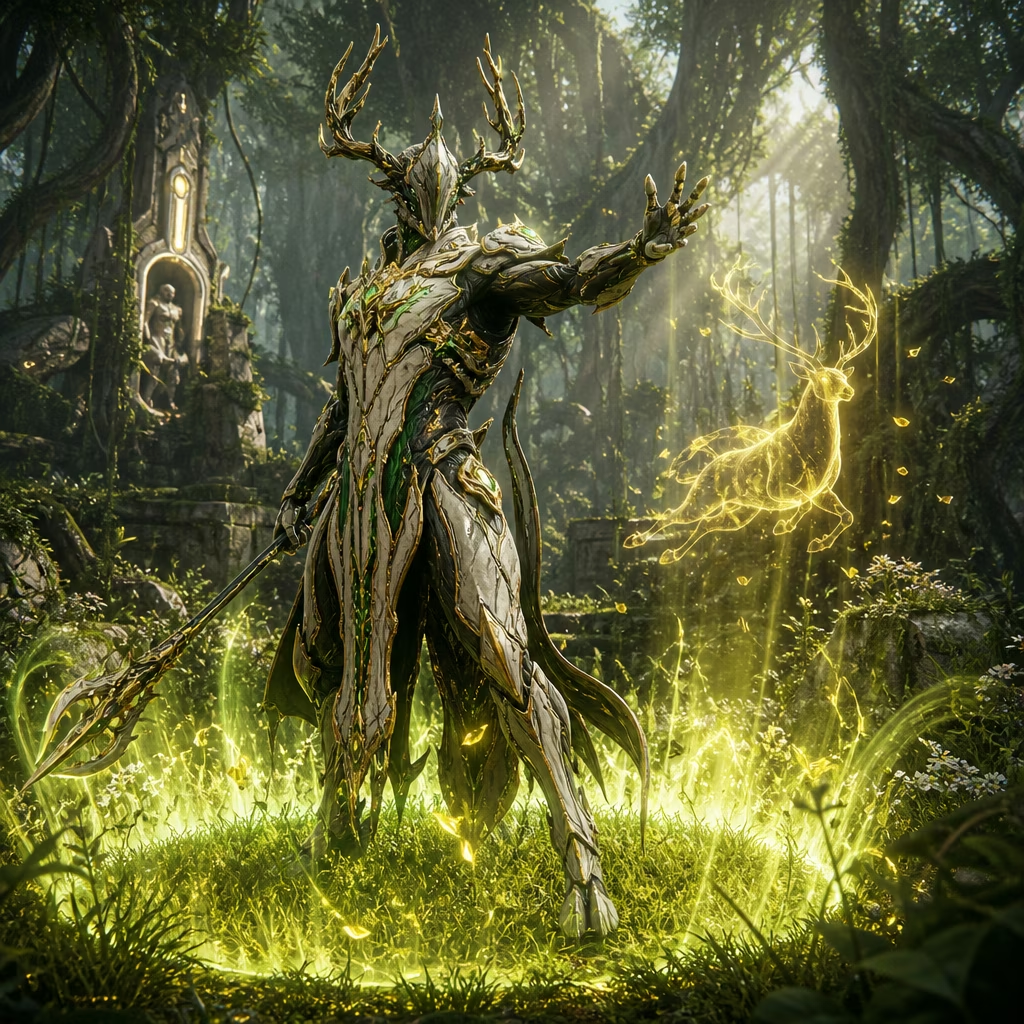
At the time, one open question was how updates would differ from the PC, Xbox One, and PlayStation 4 schedules. That uncertainty mattered to veteran players because Warframe lives on its update cadence. New weapons, seasonal events, story beats, and balance changes are not side dishes; they are the main course. I understood why the scheduling was still undetermined. A portable version has different certification and performance constraints, and Panic Button had to prove that the experience could hold together in handheld mode.
Why Panic Button mattered 🧩
Panic Button’s reputation gave the announcement credibility. The studio had already shown that it could squeeze demanding games onto Nintendo’s hardware with care. I did not expect the Switch version to match a high-end PC, but I did expect smart compromises. For me, the appeal was never maximum fidelity. It was the idea of playing a few missions on the couch, suspending the game, and picking it up later without feeling like I had lost the thread. That is the promise of a handheld Warframe.
| What I wanted | Why it mattered |
|---|---|
| Stable performance | Fast movement and shooting need consistent frame pacing |
| Readable UI | Mod screens and menus must work on a small display |
| Fair update cadence | Live-service players need to know the version is supported |
| Portable session design | Short runs should feel worthwhile, not compromised |
For newcomers, the pitch was simple: Warframe was free, it had years of content, and it could now travel with you. That combination was rare on the Switch. I would not call the port a replacement for the PC version, but I never expected it to be. I expected a version that respected my time and the hardware. The fact that Panic Button was involved made that expectation feel reasonable rather than hopeful. 🎮
The 2026 view 🥷
Looking back from 2026, I see that launch as more than a port. It was part of a larger shift toward flexible, multi-device play. Warframe is still a game I associate with long-tail commitment, and the Switch version helped prove that a free-to-play title could live on a handheld without being a novelty. The update question that hung over the announcement has been answered by time: the version became part of the wider ecosystem, even if it did not always move in lockstep with every platform.
Would I call it perfect? No. I still prefer a larger screen for serious build crafting, and I know that performance-minded players will always chase the best version. But the holiday release window, Panic Button’s involvement, and the simple fact that Warframe was free made the Switch debut easy to recommend. It was a smart bet on accessibility, and it arrived just when the Switch audience was ready for a deeper online game.
Remember. Ninjas play free. In 2026, that line still explains the appeal better than any marketing chart could. ✅
As summarized by Polygon, the significance of Warframe arriving on Switch went beyond a simple technical port, reflecting a moment when portable hardware began to feel increasingly viable for long-running online games with complex progression systems. That perspective fits the broader 2026 view of the release, where the combination of Panic Button’s optimization work, Nintendo’s holiday timing, and Warframe’s free-to-play structure helped turn the debut into a meaningful expansion of how players could engage with a live-service action game.
Comments